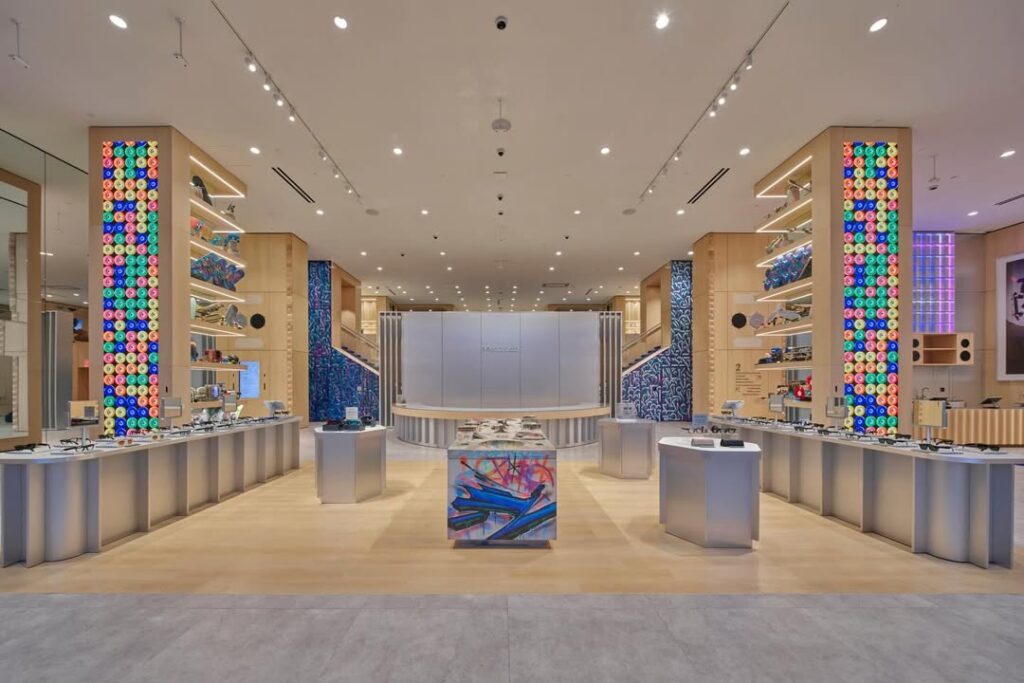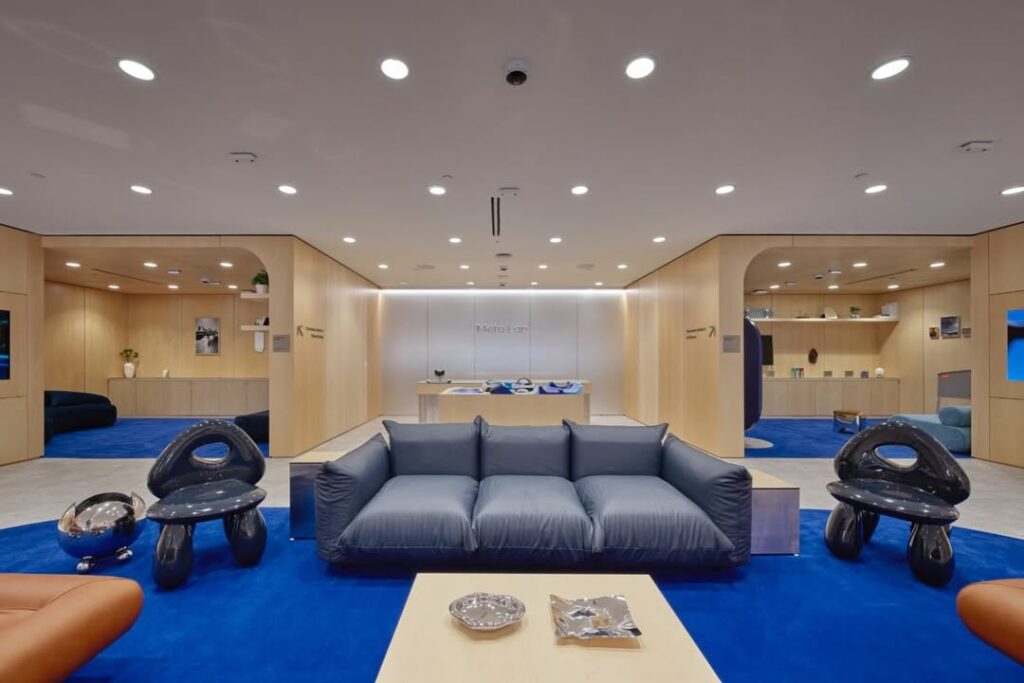
In luxury commercial construction, the number one question that comes up is, “How can I save on costs without sacrificing quality?” Though there is no universal answer that can be applied to every budget, there are patterns and ways to assess a budget for money saving potential. This blog will not only do a commercial construction budget breakdown, but also point out where money saving potential lies and why in some cases, it is important to not over optimize.
The Budget Factors of a Commercial Build
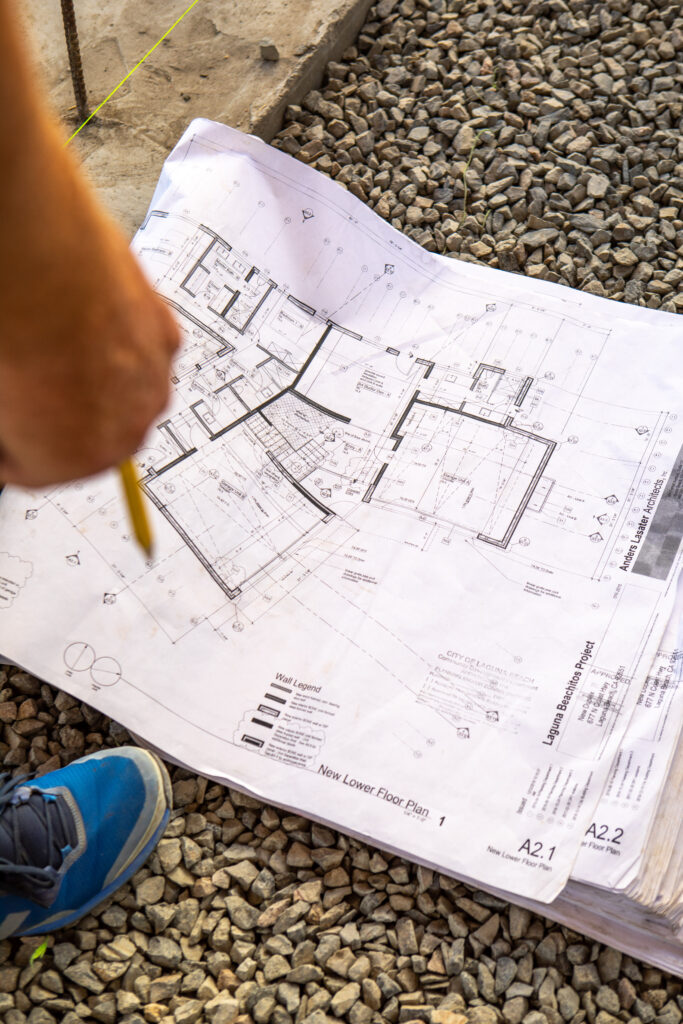
1. Design and Architecture Fees – A designer or architect is essential to getting a project started. From blueprints, to feasibility, the architect will assist in putting any dream to paper. To avoid unforeseen costs, it may be important to find a contractor that can work with the architect in tandem. While this may initially cost more upfront, this will prevent costly redesigns and scope changes.
2. Materials and Finishes – The material costs and finishes will be an essential part of understanding where money can be saved vs. where money should be invested. What materials are essential to building brand image? Assess what materials serve a purely aesthetic purpose and what materials need to be highly durable/ What materials will be part of customer/client sensory experiences? Answering these questions will allow both client and team to understand what materials need to be invested in and where alternatives can be proposed.
3. Skilled Contractor and Labor – The investment in a skilled contractor and laborers cannot be understated. In cases of specialized engineering and complex installs especially, the hiring of unqualified labor will lead to future breakdowns and necessitate replacements/repairs. Furthermore, skilled contractors and laborers will have the knowledge to know how to protect budgets while ensuring a high quality outcome.
Budget Saving Strategies
With all that said, these are just a few of the budget saving strategies that can be utilized to protect costs without sacrificing quality in luxury commercial construction.
1. Alternative luxury materials – Sourcing alternative materials, whether artificially created or recycled can and will preserve a portion of your budget. There are a plethora of materials that are at any team’s disposal and can be used interchangeably without sacrificing quality.
2. Source materials early – If you have materials/finishes that can’t be given alternatives, source the material early. This will create a certainty in your budget that will allow for other costs to be assessed around. Should an item be procured late in the project and turn out to be more expensive than expected, budget strains will occur.
3. Leverage supplier and contractor relationships – Every project’s team is part of a network. It is very possible that team members can leverage good relationships to save on trade and supply costs.
4. Value Engineering – This team method attempts to optimize costs across a variety of factors to be the cheapest possible. From reducing build delays to offering material alternatives, value engineering is one of the most potent forms of build budgeting. However, value engineering can and will sacrifice the quality of the build if done excessively. A good contractor and architect will know when value engineering begins to overoptimize a build’s budget and as a result, lead to detrimental outcomes to quality assurance.
Where Should You Prioritize Your Budget
If there is one main takeaway from this blog it is this: invest in the right team. The right team will not only create a desired outcome, but openly discuss where money can be saved, costs can be protected, and where the budget should not be optimized to guarantee a high quality build. Scour testimonials, research contractors and designers, look through websites and portfolios, ensure the person you are hiring can not only do the job, but do it well.
Where Your Vision Finds Its Build.